
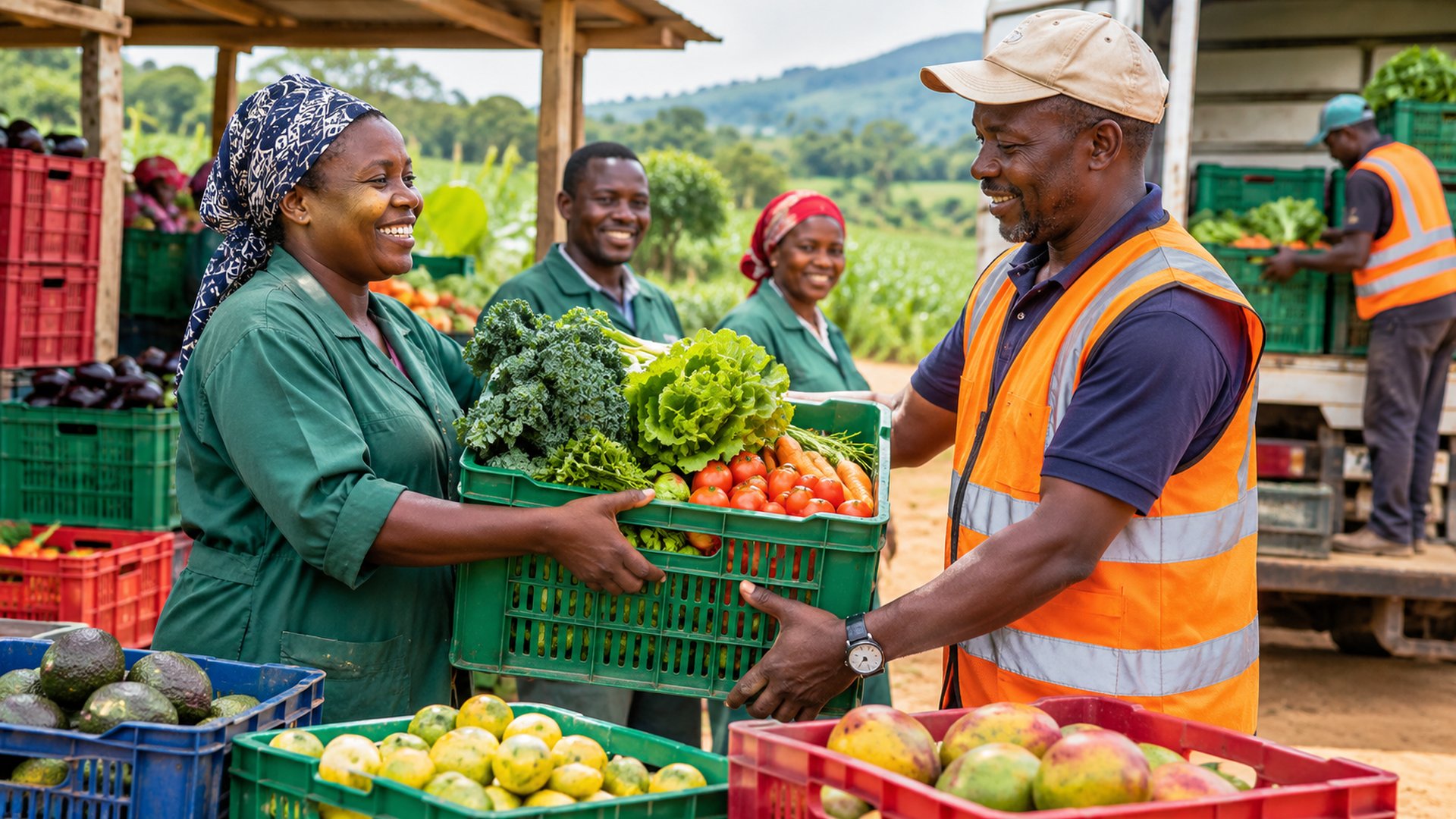
Produce can lose value between the farm gate and the buyer’s receiving bay. A distributor may pay for full crates and later discover bruised tomatoes, an underweight delivery, a temperature problem or an unpaid supermarket invoice. The business needs records that follow each purchase and dispatch in time to prevent losses, not just an end-of-month sales total.
FedhaTrac supports farm produce distribution in Kenya through business operations records, reconciliation and management reporting. Our financial assistance can connect farmer payments, packhouse grades, distribution costs and customer statements when operators provide reliable source evidence. The fictional ShambaLink Produce Logistics Ltd. illustrates how this could work; it is not a real FedhaTrac client.
Capture farmer supply agreements and purchase weights
In farm produce distribution in Kenya, Buying by bag, crate or kilogram without an agreed measurement method invites misunderstandings. A purchase record should identify the farmer, harvest date, crop, grade, quantity, price, rejected quantity and the person approving receipt. Shortcuts are particularly expensive when many small deliveries arrive together. The practical challenge is visible in day-to-day operations. The business should be able to show how this decision affects its invoices, cash commitments and eventual financial result.
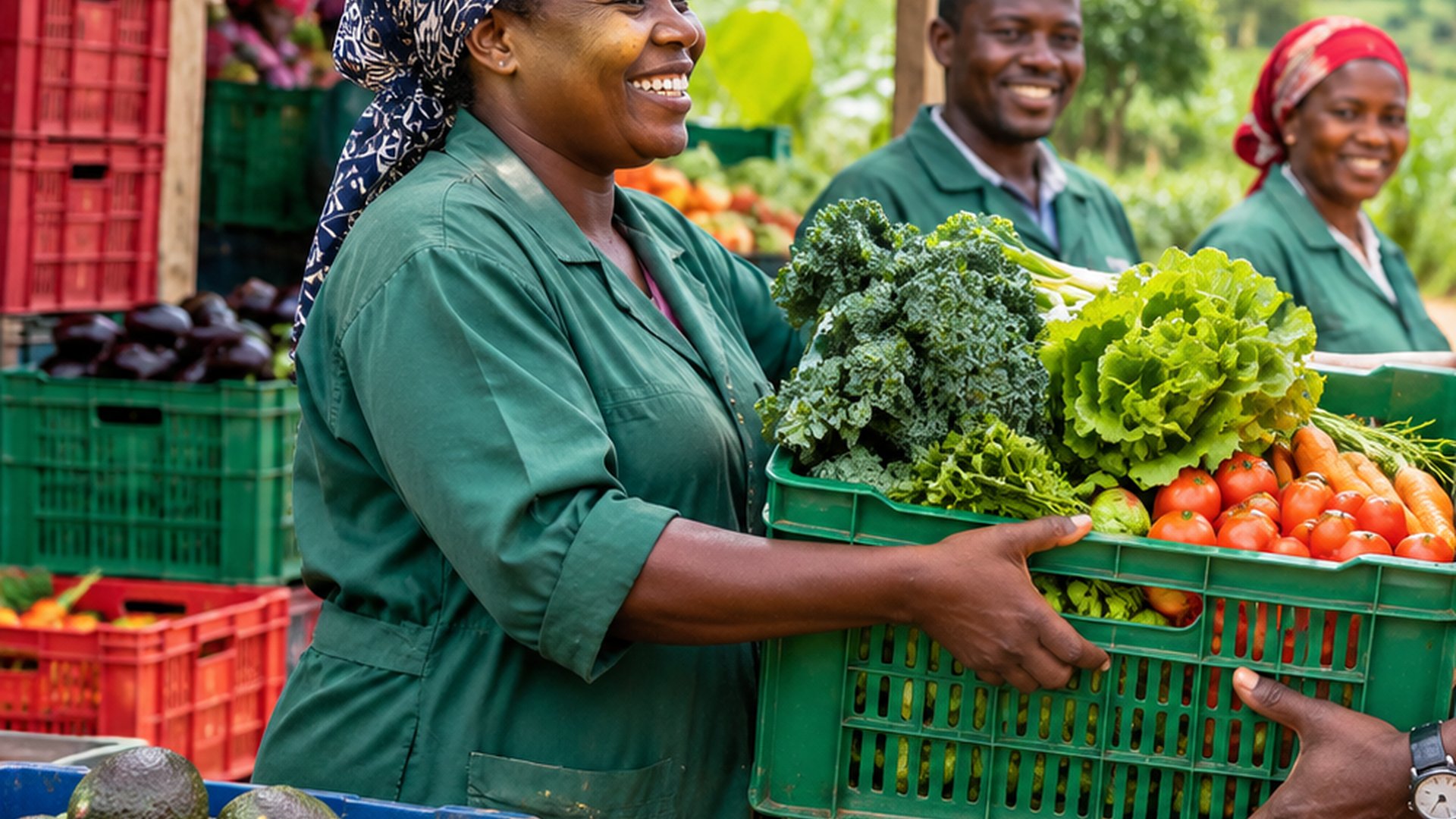
Workers grading fresh produce for farm produce distributor in Kenya
The operational routine is straightforward: Compare farmer receipts with packhouse weigh tickets and authorized supplier invoices, adjusting only with documented evidence. Make price changes and quality deductions transparent to suppliers.
At FedhaTrac, Our operations support can help organize supplier accounts and payment evidence, while agronomists and inspectors remain responsible for physical crop-quality assessment. In farm produce distribution in Kenya, we prefer information that can be checked back to an agreed contract, a numbered register, a genuine invoice or a banked payment, as appropriate.
Track produce by lot and destination
In farm produce distribution in Kenya, Traceability helps answer which farm supplied a batch and which buyer received it. This matters if quality concerns emerge after the shipment leaves. A vehicle log alone is not the same as a credible traceability record, especially where produce is mixed or repacked. The owner needs evidence before a small problem becomes a monthly dispute. The business should be able to show how this decision affects its invoices, cash commitments and eventual financial result.
The operational routine is straightforward: Use lot references linked to receiving, grading, dispatch, customer and date. Export operations may face additional AFA and KEPHIS requirements that local distributors should not assume automatically apply in identical form.
At FedhaTrac, FedhaTrac can relate lot-level amounts and cost references to invoices and reconciliations; it does not claim to certify agricultural traceability or conduct food-safety inspections. In farm produce distribution in Kenya, we prefer information that can be checked back to an agreed contract, a numbered register, a genuine invoice or a banked payment, as appropriate.
Record grading, rejects and legitimate wastage
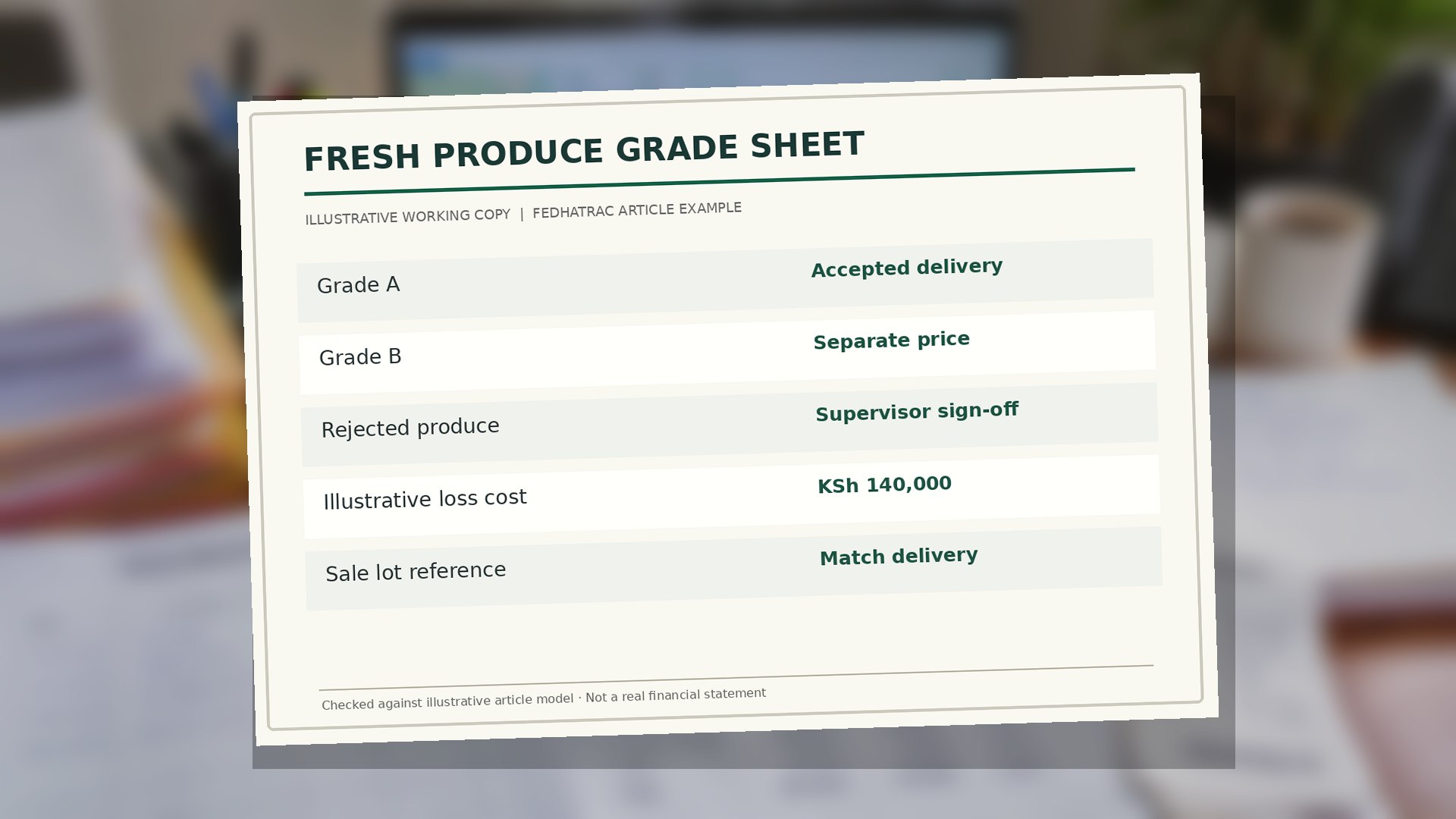
In farm produce distribution in Kenya, A tomato crate purchased for retail sale may be downgraded or rejected after sorting. If all purchased quantity is shown as full-grade inventory, expected margins are overstated. Loss records should distinguish unavoidable deterioration from handling problems or unexplained shortages. The most useful report starts with a source document, not with an attractive chart. The business should be able to show how this decision affects its invoices, cash commitments and eventual financial result.
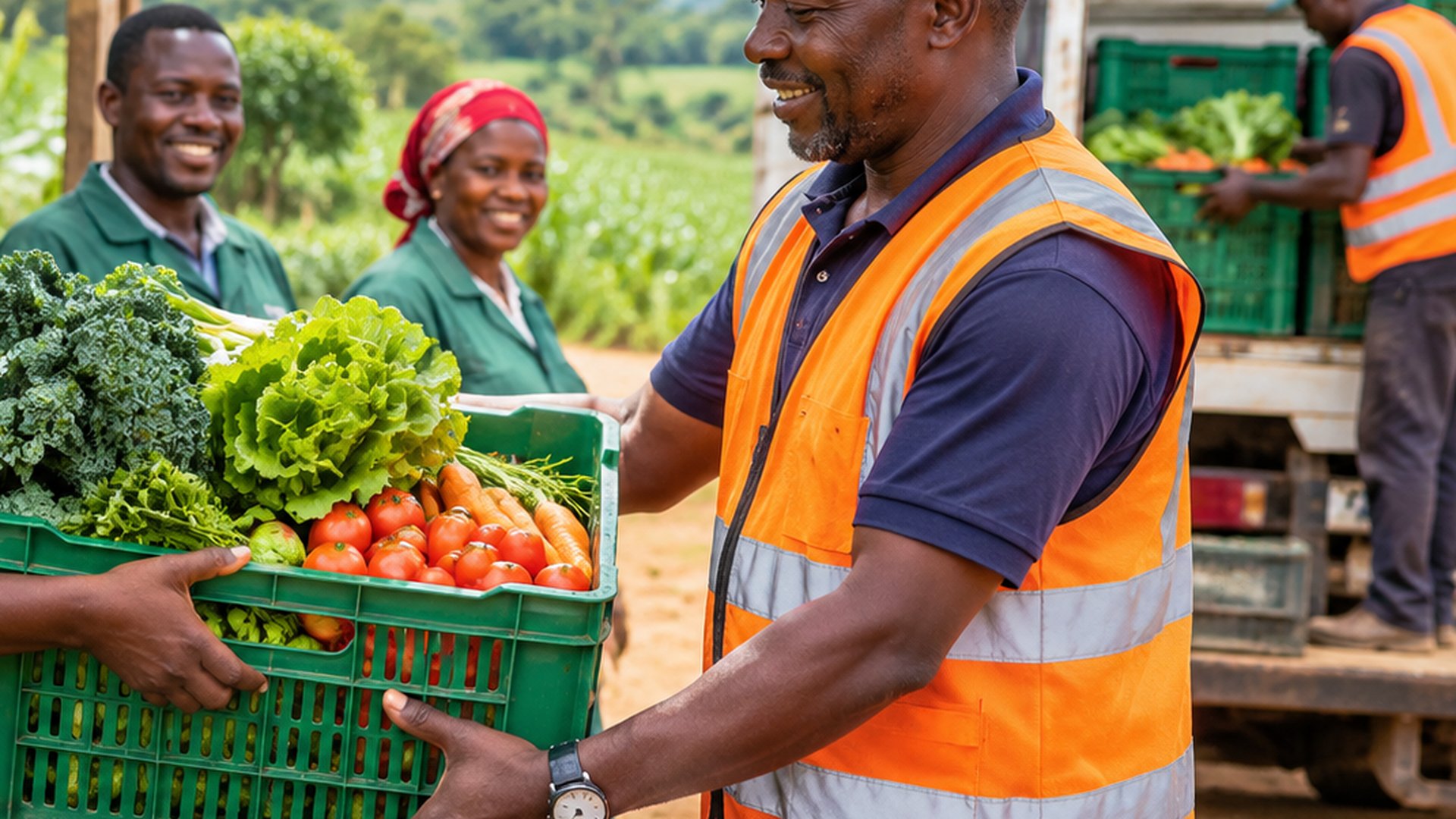
Drivers loading crates into a truck for farm produce distributor in Kenya
The operational routine is straightforward: Log opening crates, accepted grades, repacked units, sales dispatches, returns and authorized write-offs. Investigate repeated losses on a route or supplier lot rather than hiding them in a general expense account.
At FedhaTrac, Our inventory and financial reporting support can help owners quantify documented loss and review the economics of grading. In farm produce distribution in Kenya, we prefer information that can be checked back to an agreed contract, a numbered register, a genuine invoice or a banked payment, as appropriate.
Control the cold chain and transport budget
In farm produce distribution in Kenya, Vehicle fuel, refrigeration, packaging, road delays and return trips can consume the difference between farm-gate and selling price. Perishable distribution needs rapid exception reporting when a truck arrives late or produce fails a quality check. A manager should be able to follow the movement without asking staff to reconstruct it from memory. The business should be able to show how this decision affects its invoices, cash commitments and eventual financial result.
The operational routine is straightforward: Match transport quotations, approved dispatches, driver trip records, fuel evidence and receiving confirmation. Track cold-store service and packaging expenses by product group where practicable.
At FedhaTrac, FedhaTrac can prepare financial route-cost schedules; temperature monitoring and cold-chain operation require the distributor’s own equipment and procedures. In farm produce distribution in Kenya, we prefer information that can be checked back to an agreed contract, a numbered register, a genuine invoice or a banked payment, as appropriate.
Separate supplier amounts due from cash already paid
In farm produce distribution in Kenya, Farmers may be paid immediately, weekly or after quality confirmation. A distributor must know the amount owed to each supplier and not assume that every purchase has already reduced the bank balance. Unreconciled supplier accounts damage trust and distort cash forecasts. The practical challenge is visible in day-to-day operations. The business should be able to show how this decision affects its invoices, cash commitments and eventual financial result.
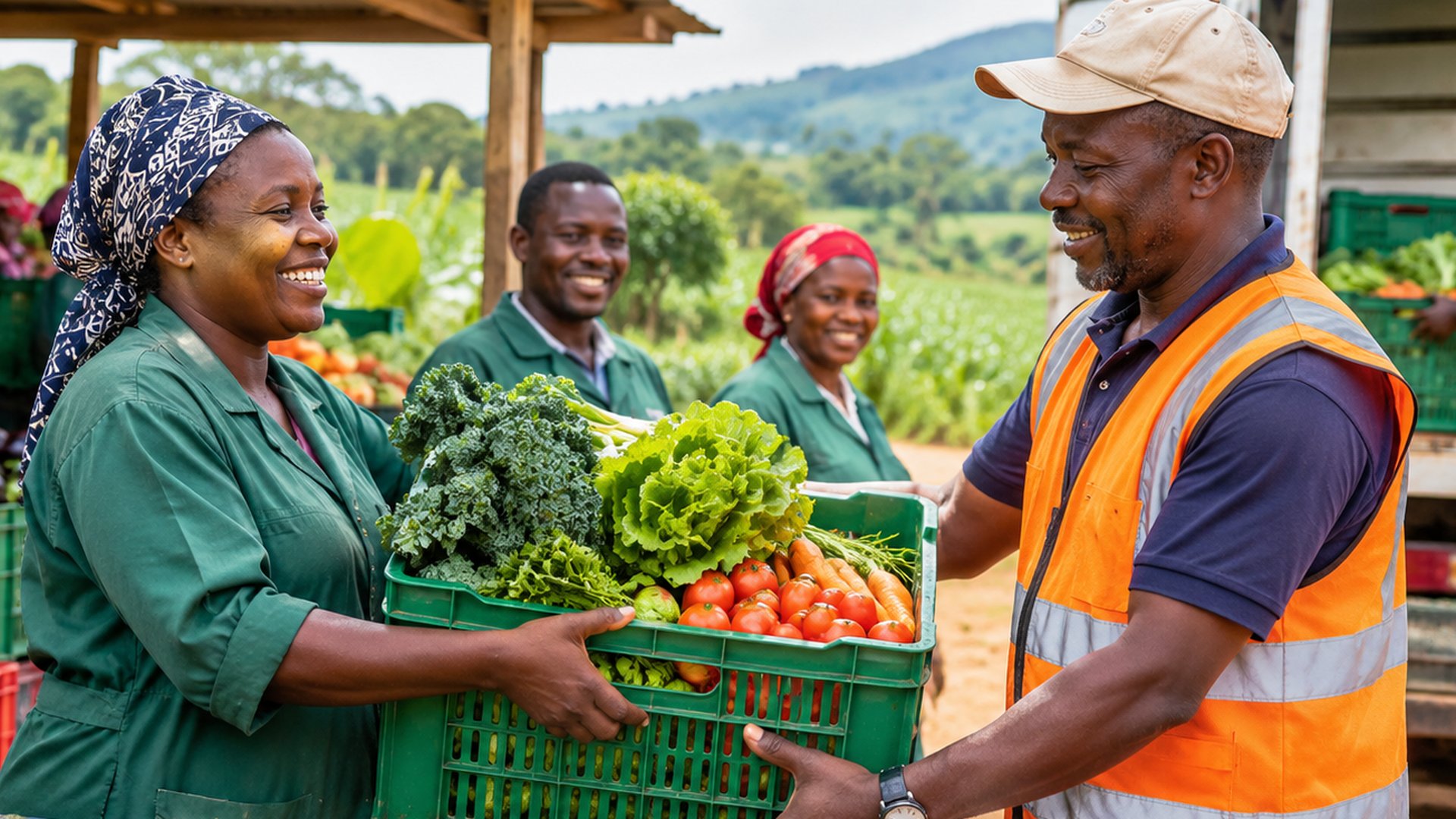
Buyer receiving produce at market for farm produce distributor in Kenya
The operational routine is straightforward: Prepare supplier statements showing gross deliveries, approved deductions, payments and remaining balance. Keep disputes or pending quality claims visible until resolved rather than deleting them. A record becomes useful only when the person who prepared it, the date and the approving manager can be identified. This avoids turning every exception into an untraceable verbal explanation.
At FedhaTrac, Our supplier-account and reconciliation services help keep those obligations understandable for owners and farmers. In farm produce distribution in Kenya, we prefer information that can be checked back to an agreed contract, a numbered register, a genuine invoice or a banked payment, as appropriate.
Match deliveries to customer invoices and returns
In farm produce distribution in Kenya, A dispatched consignment is not necessarily an accepted sale at the originally quoted quantity. Customers may note shortages, accept a lower grade or return part of an order under the agreed terms. Invoices and credits need to reflect real commercial evidence. The owner needs evidence before a small problem becomes a monthly dispute. The business should be able to show how this decision affects its invoices, cash commitments and eventual financial result.
The operational routine is straightforward: Use delivery notes, buyer acknowledgment, agreed grades and approved credit notes. Reconcile the revised customer statement to money received. A record becomes useful only when the person who prepared it, the date and the approving manager can be identified. This avoids turning every exception into an untraceable verbal explanation.
At FedhaTrac, FedhaTrac can help connect sales invoices and reconciled customer balances; the distributor remains responsible for resolving physical delivery and quality disputes. In farm produce distribution in Kenya, we prefer information that can be checked back to an agreed contract, a numbered register, a genuine invoice or a banked payment, as appropriate.
Review margin per crop and route
In farm produce distribution in Kenya, Aggregated monthly turnover hides differences between leafy vegetables, tomatoes, avocados and other crops. Margins depend on procurement cost, actual accepted weight, packaging, rejected stock, route distance and customer price. The most useful report starts with a source document, not with an attractive chart. The business should be able to show how this decision affects its invoices, cash commitments and eventual financial result.

Farm produce distribution in kenya — farm purchase and weigh records
The operational routine is straightforward: Calculate an evidence-based contribution by crop and delivery route, using consistent allocations for shared vehicle expenses. Investigate profitable-looking customers with slow payments. A record becomes useful only when the person who prepared it, the date and the approving manager can be identified. This avoids turning every exception into an untraceable verbal explanation.
At FedhaTrac, Our specialised reporting and advisory can help translate sales, cost and payment data into commercial decisions. In farm produce distribution in Kenya, we prefer information that can be checked back to an agreed contract, a numbered register, a genuine invoice or a banked payment, as appropriate.
Keep legally relevant invoicing and food records
In farm produce distribution in Kenya, KRA’s eTIMS and stock-management guidance places emphasis on current, supportable business transactions. Produce distributors should also consult the Agriculture and Food Authority and relevant county or export authorities for their specific products and markets. A manager should be able to follow the movement without asking staff to reconstruct it from memory. The business should be able to show how this decision affects its invoices, cash commitments and eventual financial result.
The operational routine is straightforward: Retain source invoices, sales tax invoices or applicable alternatives, dispatch records, supplier identity and payment confirmation. Tax and export treatment depends on the actual supply chain. A record becomes useful only when the person who prepared it, the date and the approving manager can be identified. This avoids turning every exception into an untraceable verbal explanation.
At FedhaTrac, We can assist with tax-record organization and financial reporting, not issue agricultural export permits or make unsupported compliance guarantees. In farm produce distribution in Kenya, we prefer information that can be checked back to an agreed contract, a numbered register, a genuine invoice or a banked payment, as appropriate.
Build a distribution cash forecast before the next harvest
In farm produce distribution in Kenya, Farm suppliers often require payment before retail or institutional customers settle their invoices. A growing sales book can therefore drain liquidity. Demand peaks may also require more trucks and packaging at the same time as supplier prices increase. The practical challenge is visible in day-to-day operations. The business should be able to show how this decision affects its invoices, cash commitments and eventual financial result.
Grading and spoilage sheets for farm produce distributor in Kenya
The operational routine is straightforward: Forecast farmer payments, expected customer collections, packaging purchases, transport and likely returns on a rolling basis. Set a realistic reserve for rejected produce. A record becomes useful only when the person who prepared it, the date and the approving manager can be identified. This avoids turning every exception into an untraceable verbal explanation.
At FedhaTrac, FedhaTrac’s financial-services and advisory work can help owners evaluate whether growth can be financed without sacrificing supplier trust. In farm produce distribution in Kenya, we prefer information that can be checked back to an agreed contract, a numbered register, a genuine invoice or a banked payment, as appropriate.
A worked example: ShambaLink Produce Logistics Ltd. (fictional)
The following is an illustrative financial model for ShambaLink Produce Logistics Ltd., a fictional farm produce distributor used only to explain farm produce distribution in Kenya. It is not a report about a real FedhaTrac customer, and none of the figures should be used as industry benchmarks or quoted supplier prices.
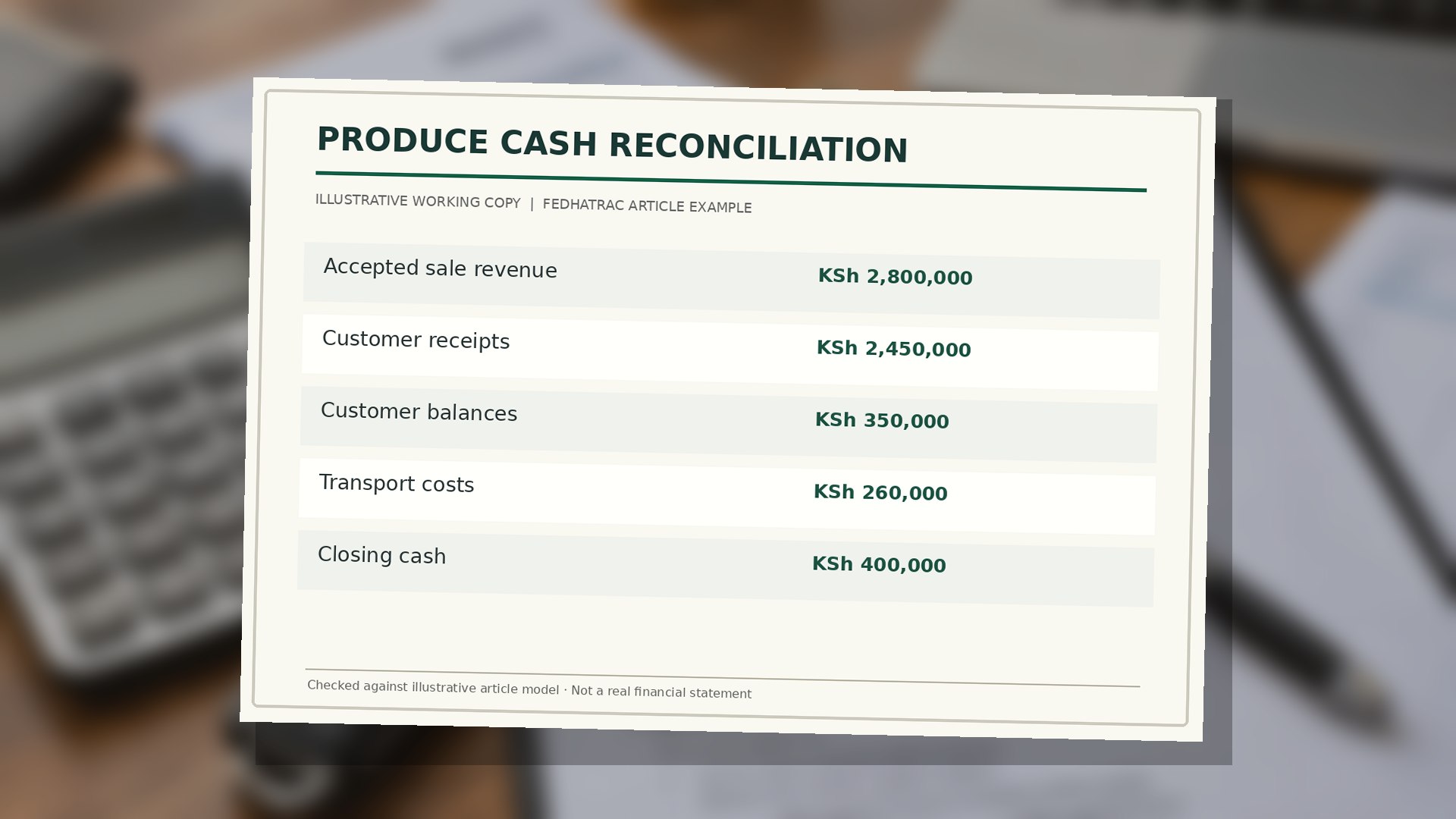
ShambaLink records KSh 2,800,000 in accepted sales. The associated farm purchase cost is KSh 1,760,000; approved grading and wastage costs add KSh 140,000, distribution costs KSh 260,000, and overhead KSh 330,000. That gives an illustrative KSh 310,000 operating surplus before finance charges and tax. Customer receipts total KSh 2,450,000 and new receivables KSh 350,000. If opening cash is KSh 200,000, farmers receive KSh 1,520,000, and all grading, distribution and overhead costs are paid in cash, closing cash is KSh 400,000: 200,000 + 2,450,000 − 1,520,000 − 140,000 − 260,000 − 330,000. The KSh 240,000 difference between accrued farm purchases and amounts paid remains a supplier payable. These are model figures, not reported sector averages.
The lesson for farm produce distribution in Kenya is that a single headline amount rarely captures all the obligations. Owners should inspect the underlying document trail, whether money has actually been received or paid, and any commitments that fall due after the reporting date. We help connect the evidence to sensible financial reporting and management conversations, but the operator must certify its physical activities and the professional accountant must apply the correct reporting policy.
Reconcile crates, weights and value
A distributor that buys in kilograms but sells by crate needs an explicit conversion basis, including standard weight tolerances and observed packing losses. Otherwise a receiving clerk and a salesperson may report different quantities while both believe they are correct. Compare the scale tickets, sorting records and accepted customer delivery notes using a common product and lot reference. Keep any corrections traceable to the person who authorized them.
Buyer invoices and supplier reconciliation papers for farm produce distributor in KenyaBuyer invoices and supplier reconciliation papers for farm produce distributor in Kenya
A practical weekly supply review
Review suppliers with unmatched payments, crop lots with unusually high grading loss, routes with late delivery and buyers with old invoices. Decide whether the evidence points to pricing, handling, transport or collection problems. A high sales total is not a substitute for measuring spoilage, supplier trust and working capital. Our reporting support turns these separate concerns into a financial conversation the manager can act on.
How we help turn records into decisions
Our services include business operations support, supplier statements, inventory and payment reconciliations, alongside practical reconciliation, accounting, tax-document preparation and scheduled reviews when relevant. In farm produce distribution in Kenya, our starting point is a discussion about which documents already exist and where the main commercial disagreements or delays arise. We agree a reporting period, identify missing evidence and produce a workable record flow rather than claiming that one button solves an entire business operation.
For our published capabilities and available service options, see FedhaTrac services, business management services, and audit preparation. Internal links should lead to related help, not replace the need for clear explanations here. Farm produce distribution in kenya is stronger when each monthly review ends with named follow-ups for unresolved balances and costs.
Kenyan compliance and supporting evidence
Kenyan business owners should maintain appropriate transaction records and check tax obligations for their actual circumstances. KRA’s eTIMS guidance explains electronic business invoicing, while other licenses and operational requirements vary by the activities performed. For this farm produce distributor, an invoice or financial spreadsheet is not a substitute for permits, clinical or food-safety decisions, vehicle compliance, or lawful stock provenance where applicable.
Relevant sector references include Agriculture and Food Authority and KRA stock records and eTIMS guidance. In farm produce distribution in Kenya, we advise checking changes with the competent authority and keeping the dated source documents alongside related financial records. FedhaTrac can support record organization and tax preparation within its confirmed scope; regulatory approval must come from the appropriate authority.
Frequently asked questions
Can FedhaTrac issue farm-export certificates?
No such service is claimed. We support financial records and reporting; competent agricultural and phytosanitary authorities handle applicable export certification. With farm produce distribution in Kenya, the right first step is to define the evidence and the decision the business needs to make, then select the appropriate support rather than assume unverified automation.
Why do growers and distributors need supplier statements?
They show delivered quantities, agreed prices, valid deductions, payments and outstanding balances, reducing disputes that arise from verbal summaries. With farm produce distribution in Kenya, the right first step is to define the evidence and the decision the business needs to make, then select the appropriate support rather than assume unverified automation.
How should spoilage be recorded?
Use approved count, weight, grade and reason evidence, and ensure the financial adjustment matches the company’s inventory accounting policy. With farm produce distribution in Kenya, the right first step is to define the evidence and the decision the business needs to make, then select the appropriate support rather than assume unverified automation.
What documents do you need to begin?
Farmer purchase records, delivery notes, grade sheets, transport bills, buyer invoices, receipts, supplier statements and a recent bank reconciliation. With farm produce distribution in Kenya, the right first step is to define the evidence and the decision the business needs to make, then select the appropriate support rather than assume unverified automation.
Build the next month on clearer evidence
Good farm produce distribution in Kenya is not about producing a thicker bundle of papers at month-end. It is about knowing which income is earned, which amounts remain owed, what costs belong to each activity, and which decisions the owner should take now. At FedhaTrac, we bring bookkeeping discipline, financial reporting and practical advisory support to that process without pretending to replace the specialists who operate the business itself.
Contact FedhaTrac to discuss your current records and the services suited to your operation. We can help identify the financial evidence to organize first, create a realistic reporting plan, and make the next review more useful than a glance at the bank balance.


